About 
External Quality Assessment programs for medical laboratories.

What is EQA?
External Quality Assessment (EQA, also known as Proficiency Testing or PT) is the evaluation of participant performance against pre-established criteria by means of interlaboratory comparisons (ISO/IEC 17043).
The drive for EQA
The World Health Organization recommends that countries establish national external quality-testing programs, that all public and private laboratories be encouraged to take part and, wherever possible, that participation be mandatory (WHO manual for organizing a national external quality assessment programme for health laboratories and other testing sites, 2016).
Our vision
To be a trusted partner and an indispensable resource for every quality-seeking laboratory.
Our mission
To offer the market an ISO-accredited EQA program that fulfils WHO recommendations, satisfies regulatory requirements and meets laboratories’ needs, and to support our partners with the consultancy services essential to raise the quality of the services they offer.
Why EQA, not only IQC?
- Internal Quality Control (IQC) assesses, in real time, whether a lab's performance is similar to its previous performance. It controls reproducibility and continuity of patient care over time.
- External Quality Assessment (EQA) looks at differences between a lab and other labs testing the same analyte. It controls accuracy and continuity of testing over geography.
- EQA is not an alternative or competitor to IQC: both are essential tools for a clinical laboratory, ensuring continuity of patient care within and between institutions.
Our objectives
- Promote the culture of EQA among all Egyptian laboratories, with particular attention to small, remote and rural ones.
- Demonstrate the value of participation, emphasising that EQA is confidential and educational — never policing, guardianship or punishment.
- Remove the financial, logistical and communication barriers between laboratories and the EQA provider.
- Assess the quality of laboratory performance on a national scale.
- Give health authorities, physicians and patients assurance that laboratory results across the country are reliable and meet the required standards.
- Comply with regulatory and accreditation requirements (MOHP, GAHAR, ISO/IEC 17043, ISO 15189).
Reference guidelines
- ISO/IEC 17043:2023 Conformity assessment — General requirements for the competence of proficiency testing providers.
- ISO 13528:2022 Statistical methods for use in proficiency testing by interlaboratory comparison.
- IUPAC International Harmonized Protocol for the proficiency testing of analytical chemistry laboratories.
- WHO — Manual for organizing a national external quality assessment programme for health laboratories and other testing sites (2016).
Milestones
- Jan 2020Program launch.
- 20 Jan 2021First EGAC accreditation to ISO/IEC 17043:2010 for clinical chemistry proficiency testing.
- 21 Mar 2025Accreditation renewed to ISO/IEC 17043:2023, valid to 19 January 2029.
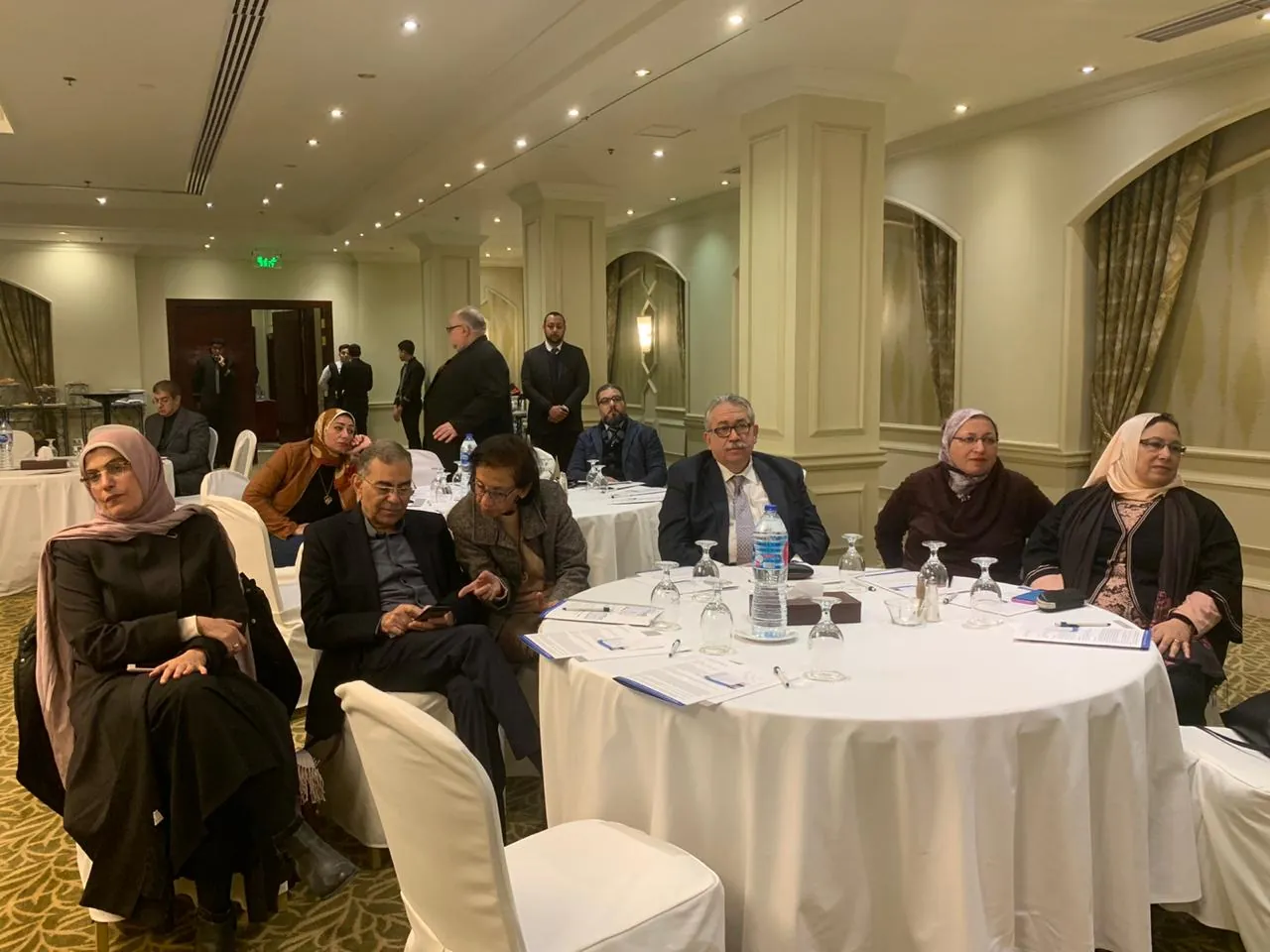
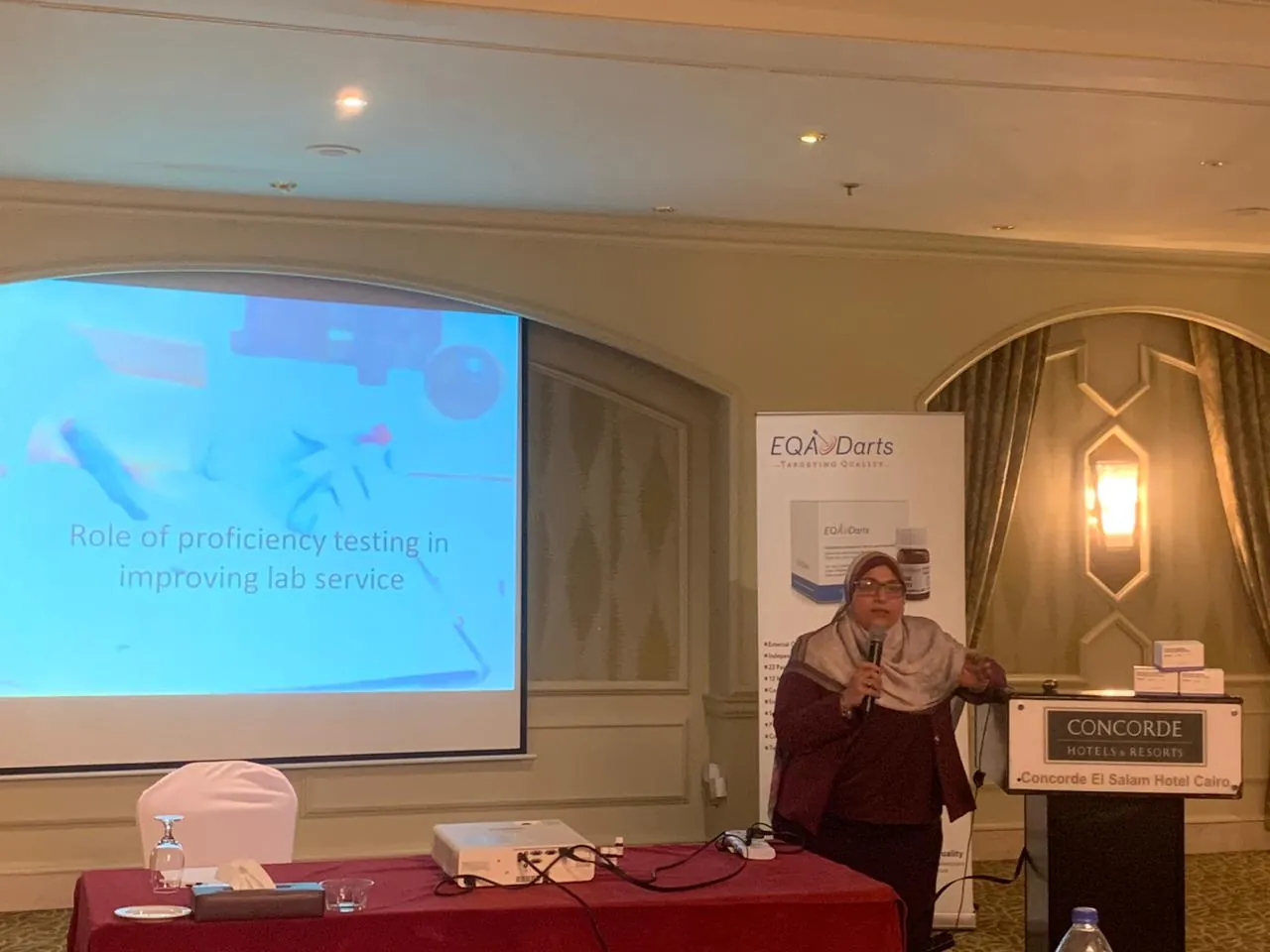
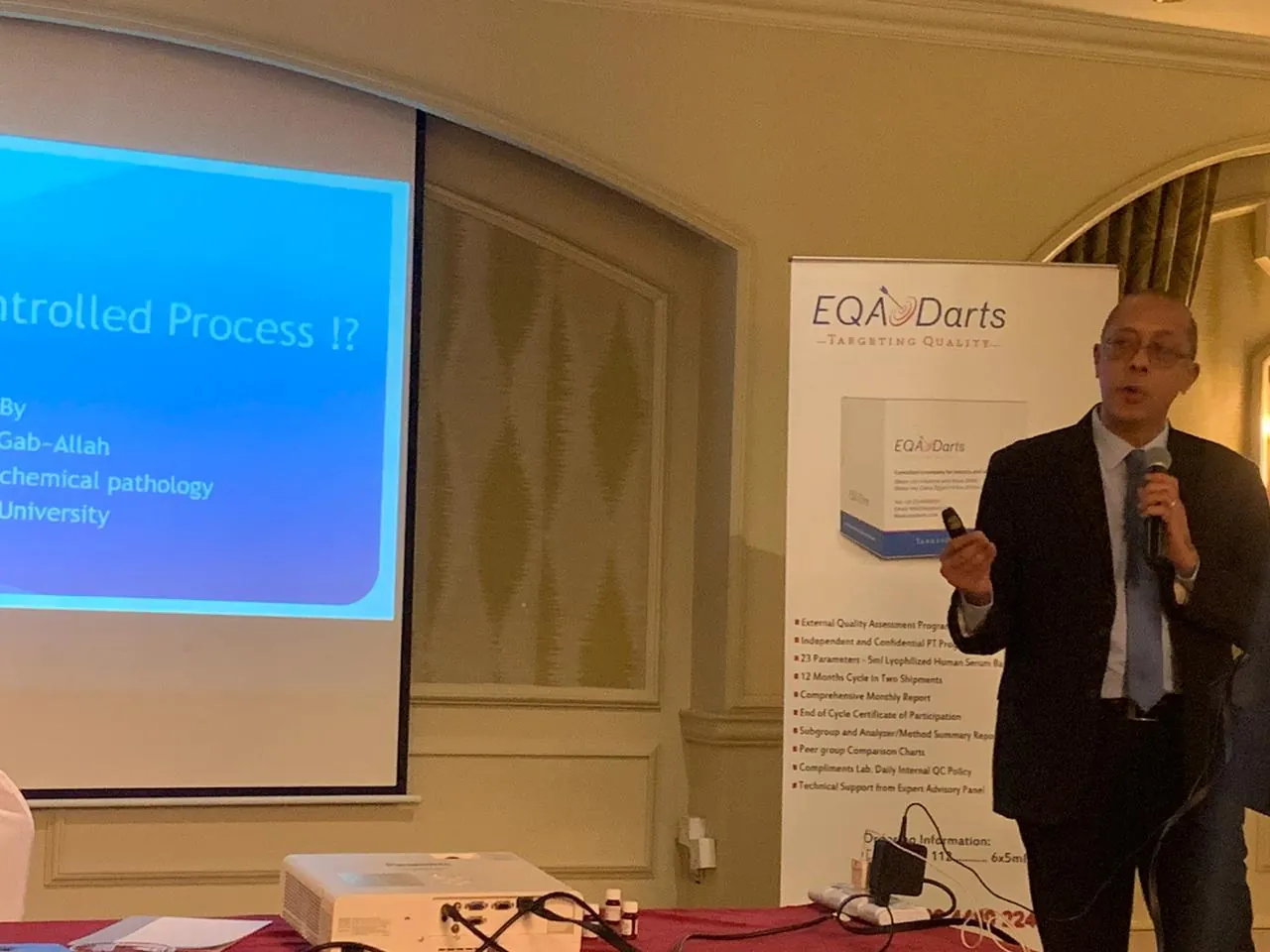
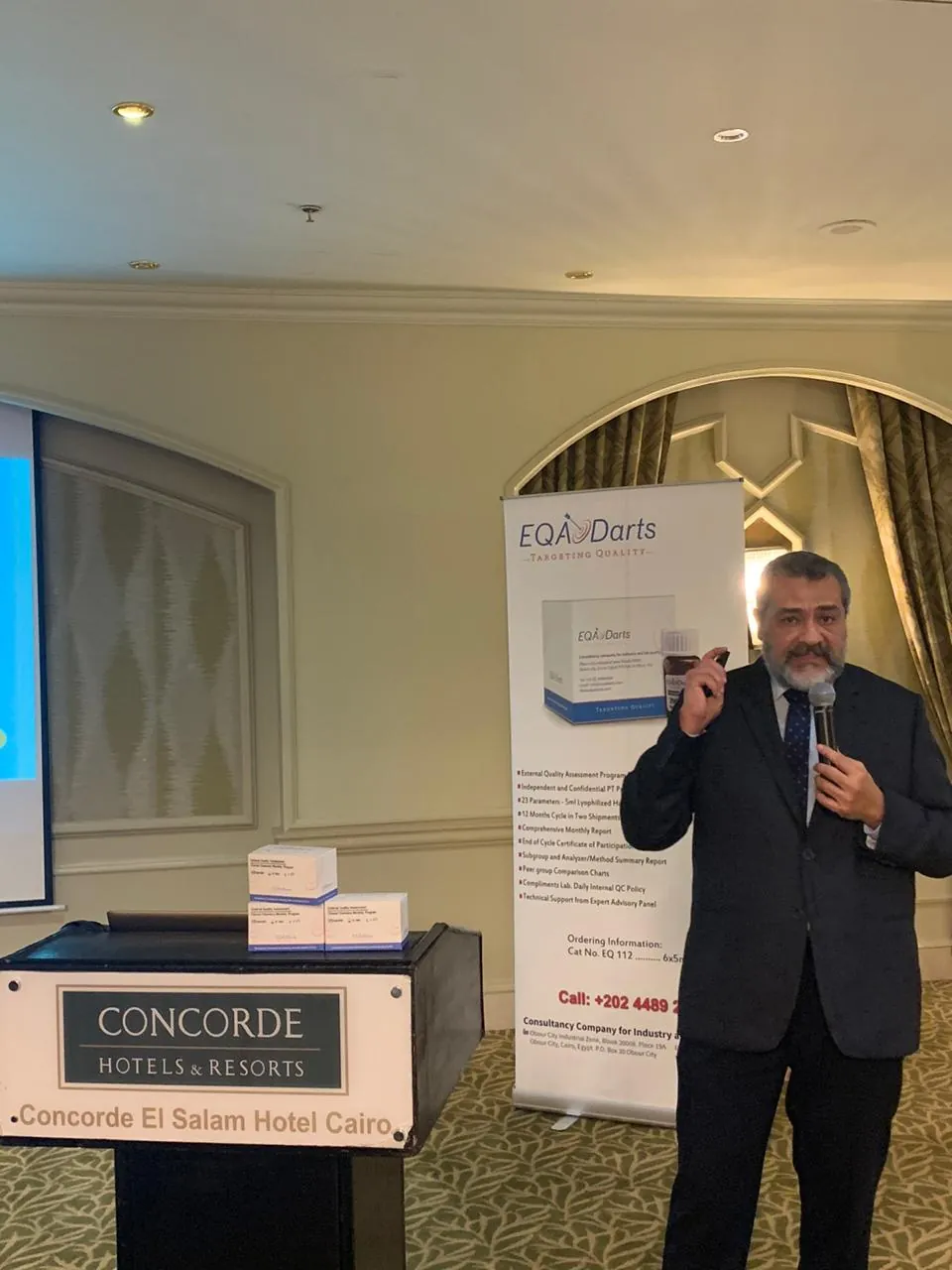
The launch event
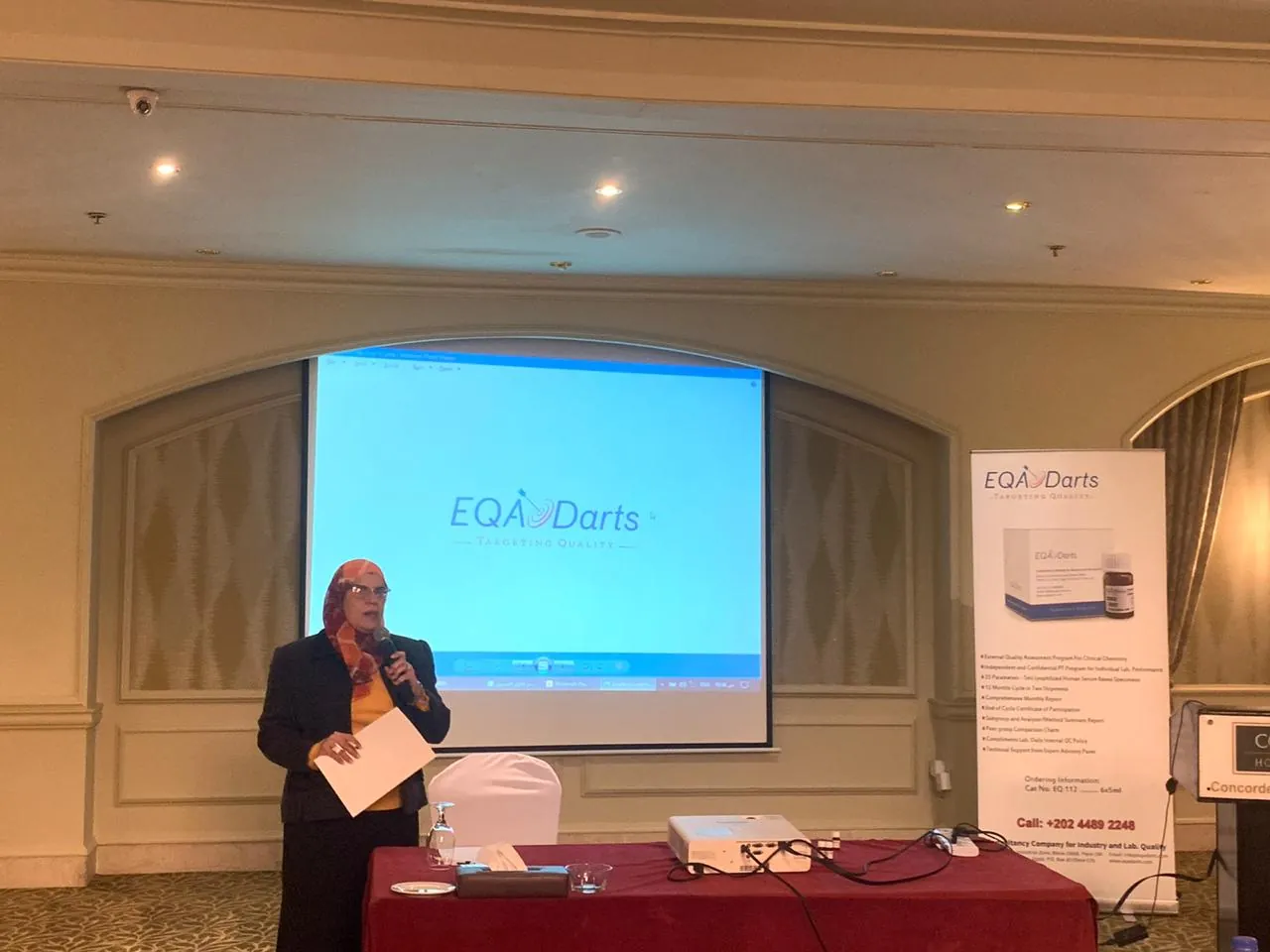
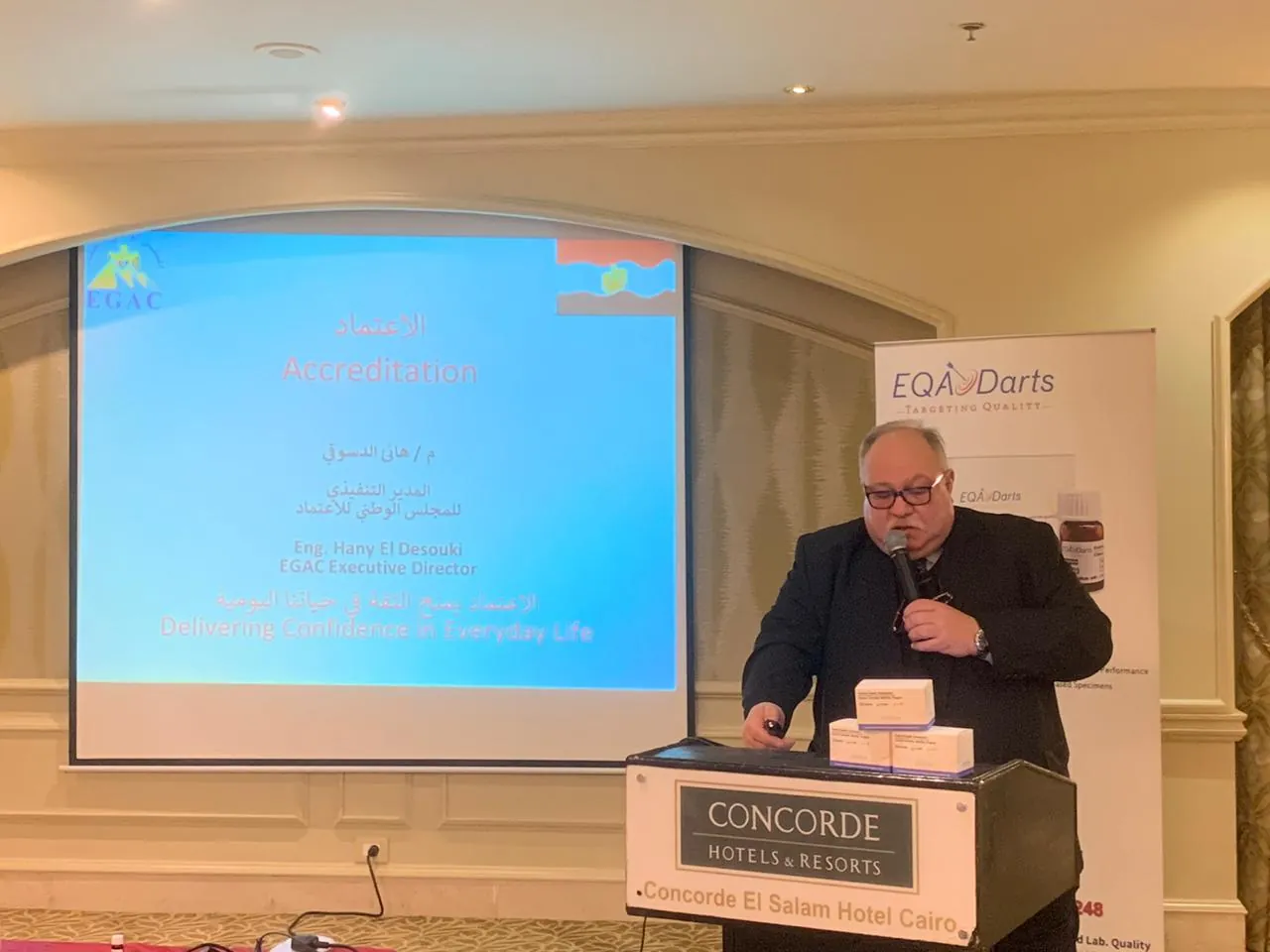
was launched on 4 Jan 2020, in an event attended by representatives from the MOHP, EGAC, GAHAR, the Central Lab of Egypt and major Egyptian universities, as well as laboratory directors, pathologists and quality managers in major teaching, governmental and private hospitals and laboratories.